Sunday, November 20, 2022

TYPES OF GRAPHS

  In our world now, considering the era of the internet, information overload will tend to flood our heads.  And the only way to take them in without getting crazy is our ability to organize information. This is where graphic organizers come in. One of which are the graphs.


TYPES OF GRAPHS


Here are the most common types of graphs.

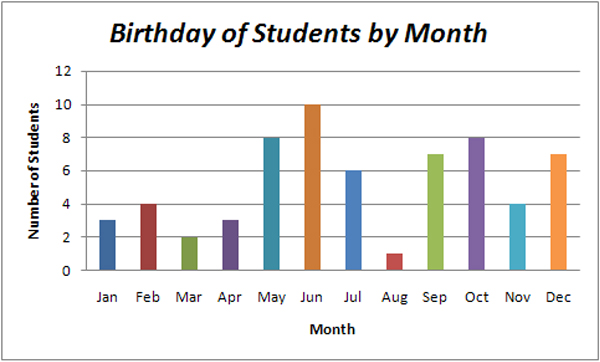
🔰BAR GRAPH

  • Represented by spaced rectangular bars describing data points in a set of data.
  • X-axis / horizontal axis usually represents categories being compared while the Y-axis / vertical axis represents the frequency or value of the given category.
--------------------------------------------------------------------
                ðŸŒ¸Uses of Bar Graph

                                ✔ highlight differences between separate values
                    ✔ compare values in different categories
                    ✔ describe relationships of several values at once
                    ✔ summarize a large data set in an understandable form 
                       (visual form)
                    ✔ estimate key values
--------------------------------------------------------------------


🔰LINE GRAPH

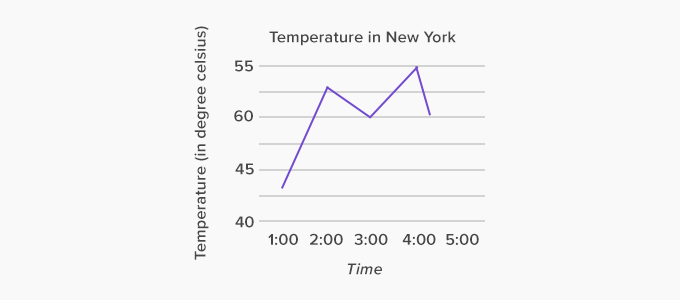
  • Represented by a group of data points joined together by a straight line.
  • X-axis / horizontal axis usually represents the independent variable while the Y-axis / vertical axis represents the dependent variable.
  • May ascend, descend or do both depending on the data assessed.
  • Sometimes referred to as time-series chart
--------------------------------------------------------------------
                ðŸŒ¸Uses of Line Graph

                                ✔ shows how data changes over time
                    ✔ show trends and relationships between data
                    ✔ compare trends in different groups of a variable
                    ✔ show multiple series of closely related data
                    

--------------------------------------------------------------------


🔰PIE GRAPH

  • A circle divided into different colored areas to depict parts of a whole.
  • Each sector in the pie represents proportion of a particular set in which the numbers graph as percentages.
--------------------------------------------------------------------
                ðŸŒ¸Uses of Pie Graph

                                ✔ illustrate percentage breakdown of a small number of 
                       data points
                    ✔ summarize categorical data or percentile value
                    ✔ provide excellent visual concept of a whole
                    ✔ highlight information by visual separation of a segment


--------------------------------------------------------------------


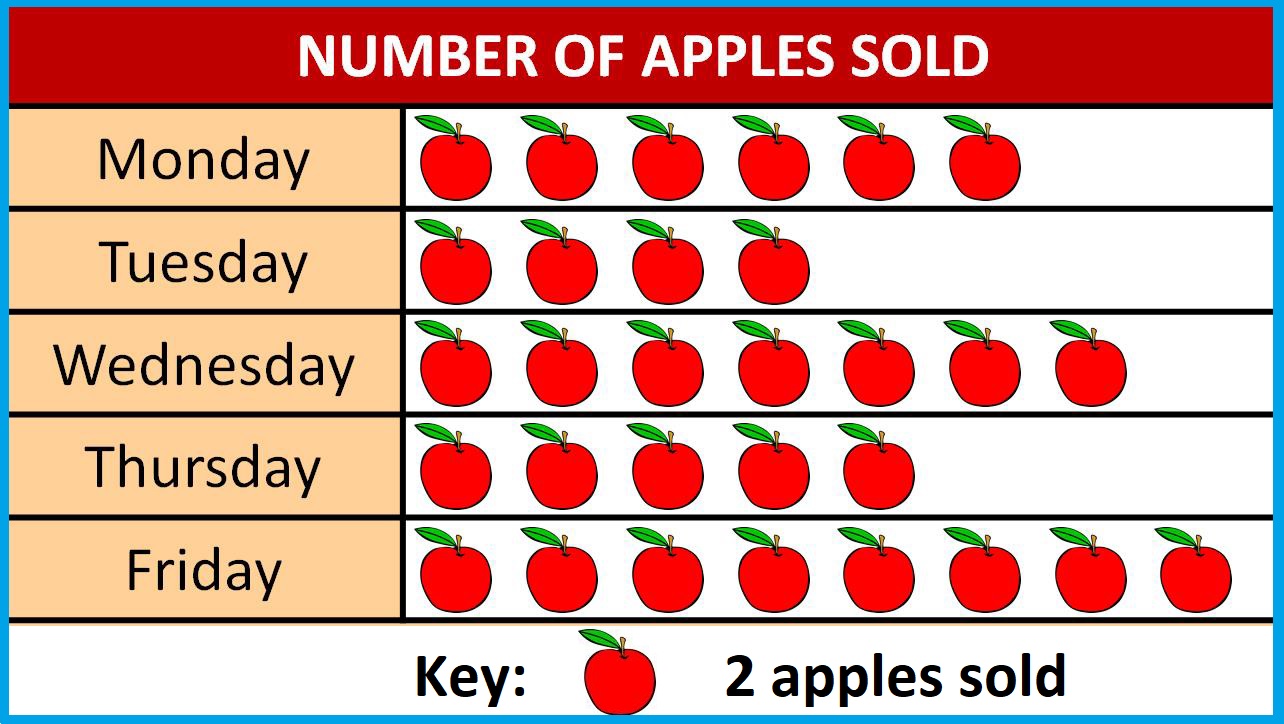
🔰PICTOGRAPH

  • A way of showing data using images.
  • A variation of bar graph
--------------------------------------------------------------------
             

--------------------------------------------------------------------


References:

Karen, G. (2021, September 25). The difference between charts & graphs. sciencing.com. https://sciencing.com/difference-between-charts-graphs-7385398.html

Formplus. (2020, April 17). 11 Types of Graphs & Charts + [Examples]. formplus. https://www.formpl.us/resources/graph-chart/

Pierce, R. (2017, January 31 ). Pictographs. Math is Fun.  http://www.mathsisfun.com/data/pictographs.html
Advantages and disadvantages of different types of graphs. (2011, April). ROM. http://www.kmrom.com/Site-En/Articles/ViewArticle.aspx?ArticleID=416


Originally published in
September 25, 2021
@ jeanillec.blogspot.com

EXPOSITORY TEXTS & THEIR STRUCTURE

  An expository text is a fact-based piece of work which purpose is to provide information, thus revealing the facts. Furthermore it serves to educate the readers on specific purposes. 

Here are the most common expository texts:

  • Textbook
  • News article
  • Instruction manual
  • Recipe
  • City or country guide
  • Language book
  • Self-help book
  • Encyclopedia
  • Almanac
  • Dictionary
  • Thesaurus
  • Website
Moreover, there are 6 classifications of expository papers: process, problem-solution, comparison-contrast, definition, classification, cause-effect.


EXPOSITORY TEXT STRUCTURES

Description

     ðŸ‘‰ Describes a topic by listing features, 
          characteristics, attributes and examples.
     ðŸ‘‰ The example gives additional information 
          about a certain subject. 
     ðŸ‘‰ Structure: 
          ðŸ‘€ identification of the subject described 
          ðŸ‘€description proper: parts, qualities, 
          features, examples


Here are the possible cue words to find when reading a descriptive expository text.
            👇
                                                     ðŸ‘†
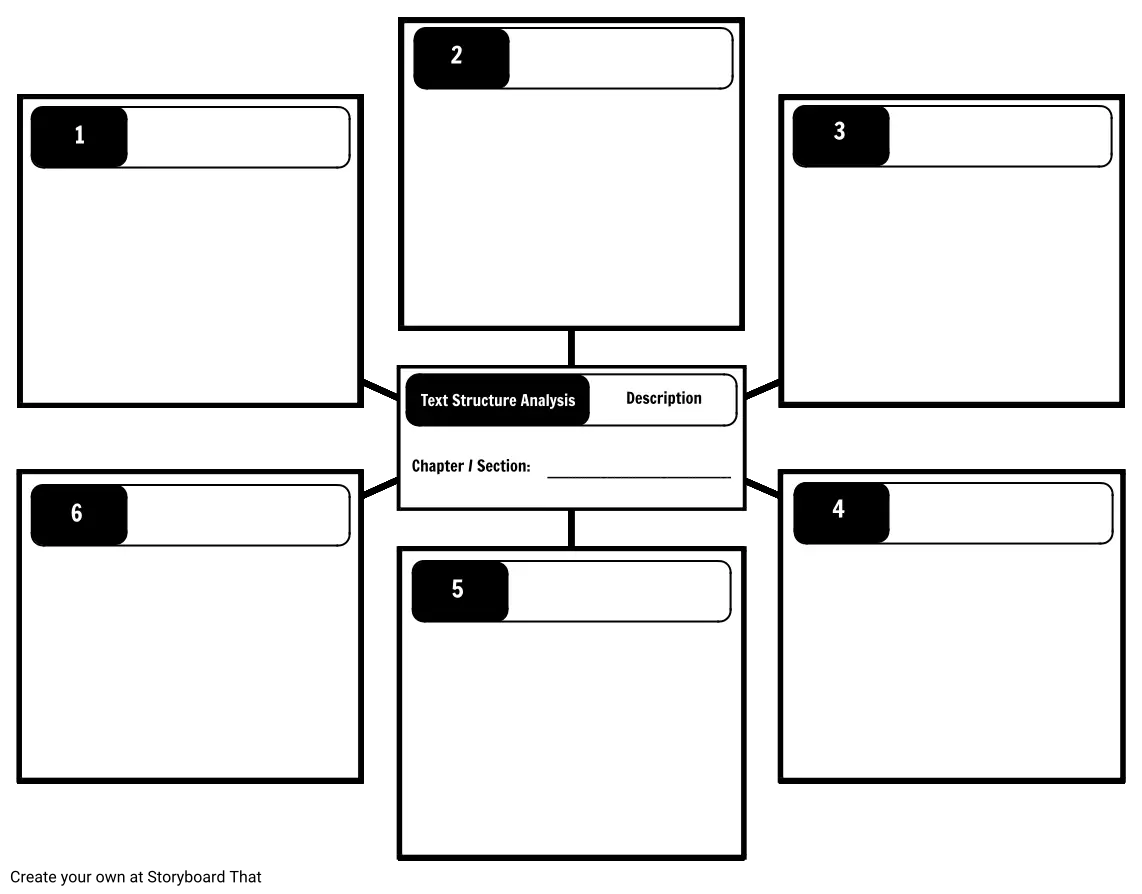
Since an expository text is information-packed, it may be well understood with a WEB DIAGRAM.           
👇


Sequence
     ðŸ‘‰ Lists items or events in chronological or 
          numerical order.
     ðŸ‘‰ The order could be implicit or explicit.
     ðŸ‘‰ Explains steps to follow in order to accomplish 
          a certain task.


Here are the possible cue words to find when reading a sequence expository text.
                   ðŸ‘‡
                                                               
👆
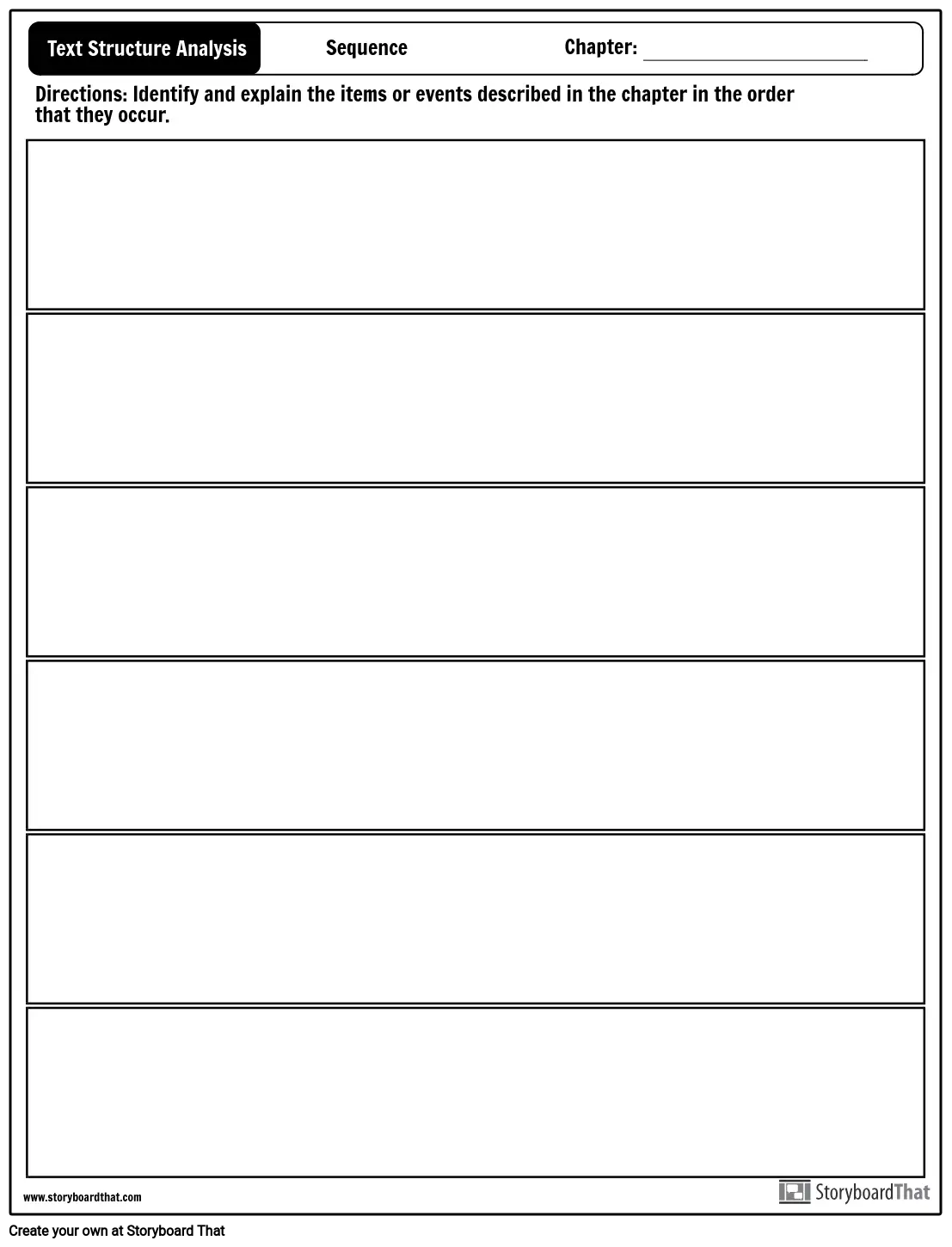
Since this type of expository text lists the processes of how something can be accomplished, it may be well understood with a FLOWCHART; or a SIMPLE DIAGRAM like this one. ðŸ‘‡


Cause and Effect
       ðŸ‘‰ Ideas, events in time, and facts are
            presented as causes to the events that have                happened.
       ðŸ‘‰ Describes the relationship of one or more 
            causes to the ensuing effect.
       ðŸ‘‰ Explains how one effect leads to another.
       ðŸ‘‰ Structure: 
            ðŸ‘€Introduction - Talks about 
            initial events that triggers the next. 
            ðŸ‘€ Description - Explains what or how 
            consequences occurred.


Here are the possible cue words to find when reading a cause and effect expository text.
            👇

                                                   ðŸ‘†
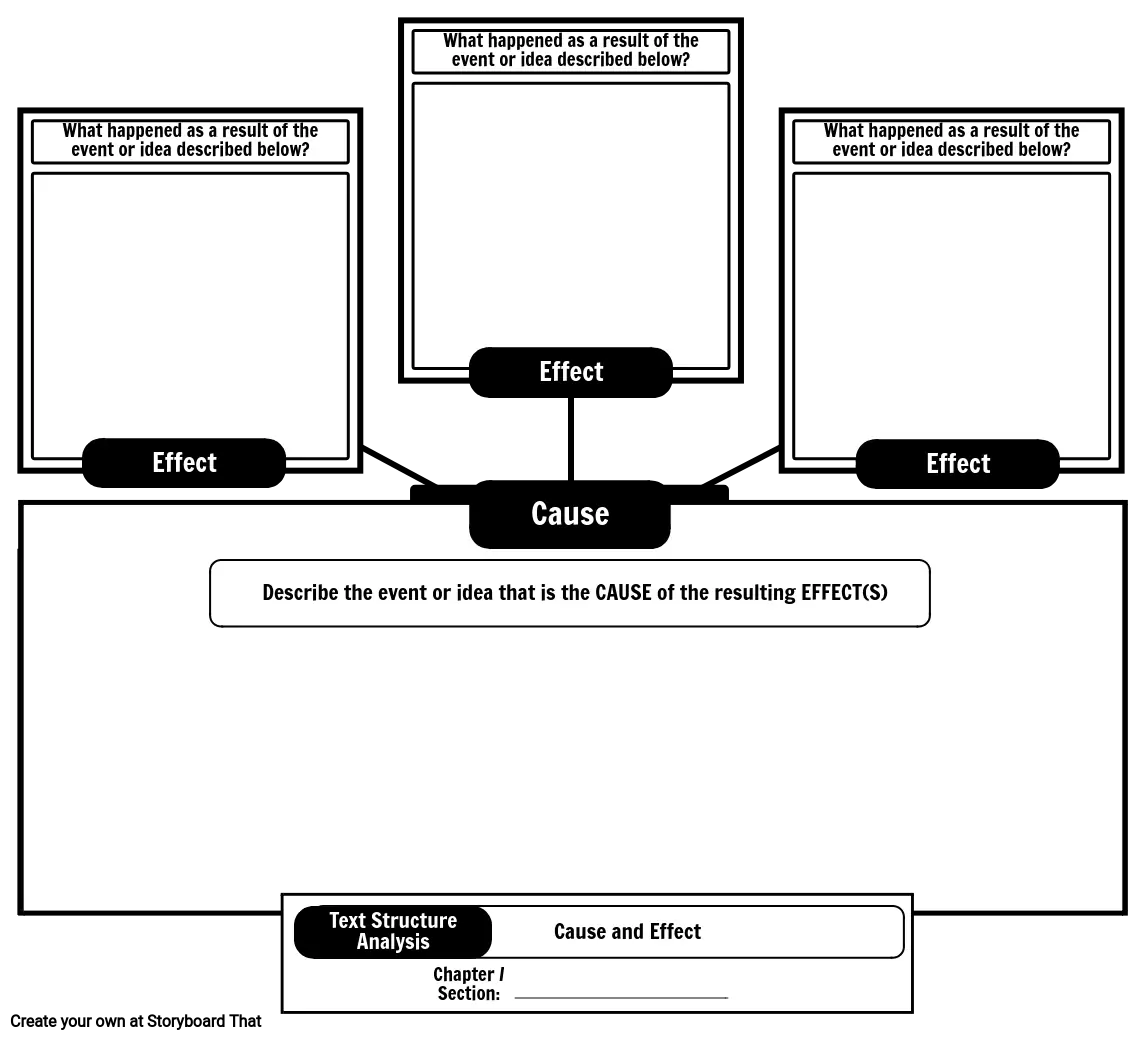
Since this type of expository text presents the cause and effect of a certain event or phenomenon, it may be well understood with a simple CAUSE AND EFFECT MAP; or a more complex map like this one.  ðŸ‘‡


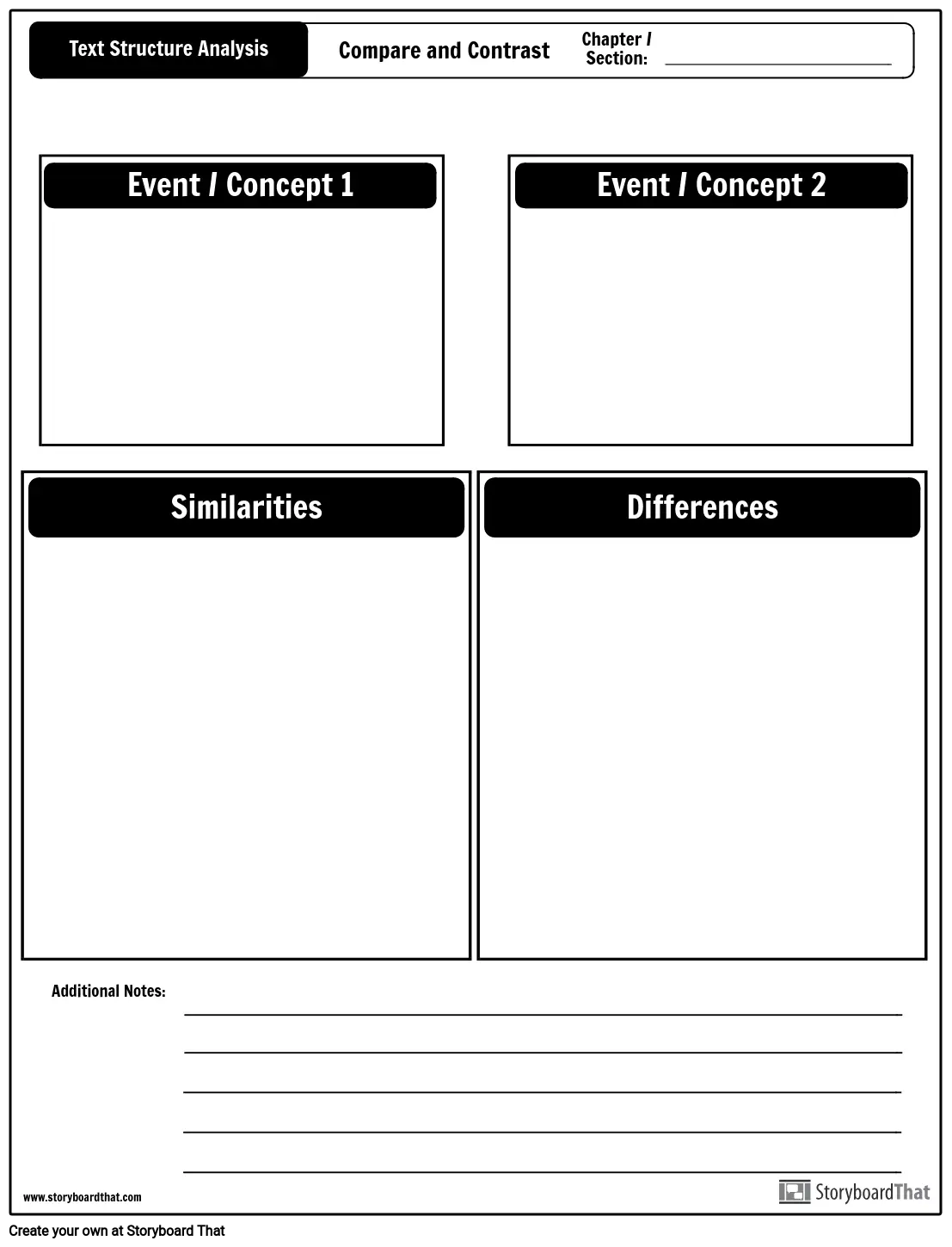
Compare and Contrast
       ðŸ‘‰ Presents two or more details of
            how an event, idea, concept, 
            theory or a thing are alike or 
            different.
       ðŸ‘‰ Structure: 
           ðŸ‘€Introduction - Talks about the 
               topics to be compared or contrasted. 
           ðŸ‘€Comparison - Lists similarities  
           ðŸ‘€Contrast - Lists differences.


Here are the possible cue words to find when reading a cause and effect expository text.
            👇

                                                 ðŸ‘†
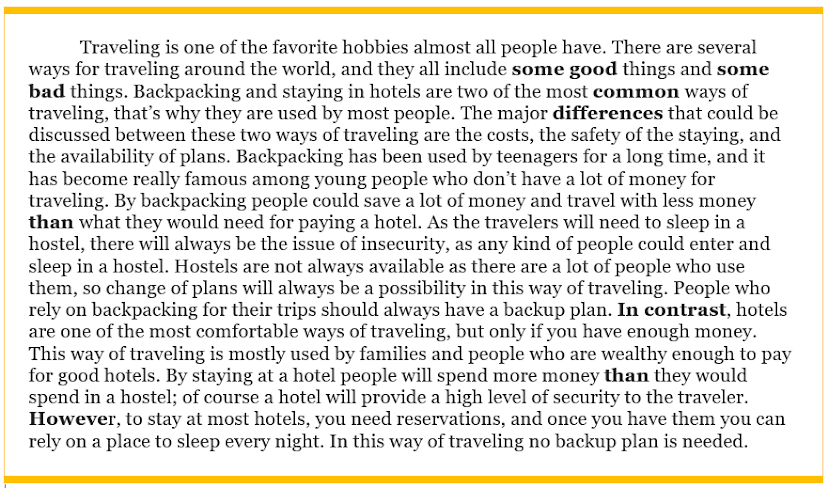
Since this type of expository text presents similarities and differences, it may be well understood with a VENN DIAGRAM; or a more detailed map like this one.  ðŸ‘‡


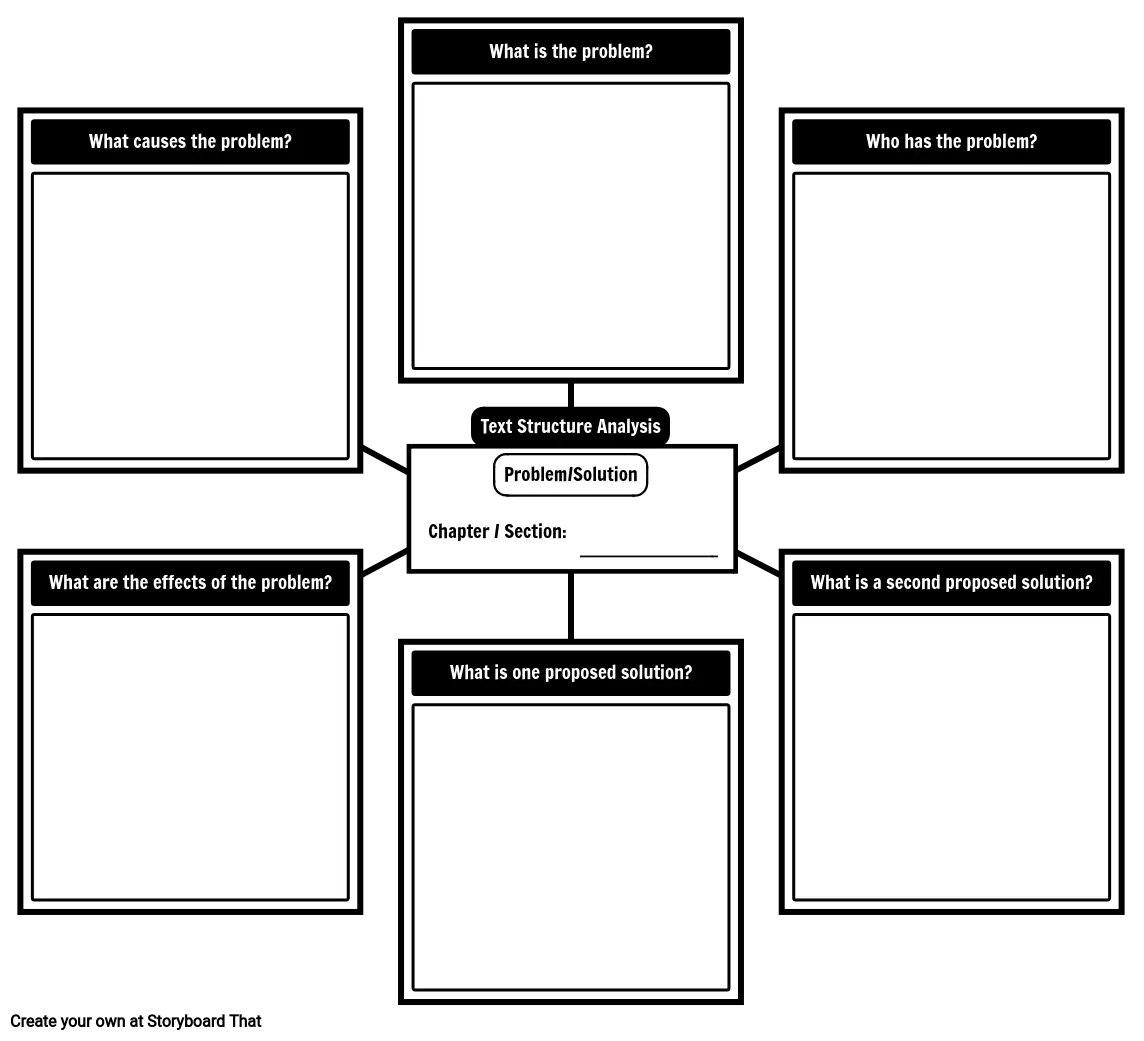
Problem and Solution

        👉 Presents an outlined of two or more solutions 
             to a problem.
        👉 Describes a problem then presents two or 
             more solutions.
        👉 Structure: 
             ðŸ‘€Outline of the problem
             ðŸ‘€Identification of solution/s 
             ðŸ‘€Explanation of the validity of the 
             identified solution


Here are the possible cue words to find when reading a cause and effect expository text.
            👇

                                                 ðŸ‘†
Since this type of expository text presents similarities and differences, it may be well understood with a simple PROBLEM-SOLUTION MAP; or a more detailed map like this one.  ðŸ‘‡


References:

What is Expository Text? - Definition, Types & Examples https://study.com/academy/lesson/what-is-expository-text-definition-types-examples.html

Expository Text in the Classroom https://www.uwo.ca/fhs/lwm/teaching/DLD2_2016_17/smith_teachingexpositorytext.pdf 

Expository Text Activities by Meghan Kyne  https://www.storyboardthat.com/articles/e/informational-text-activities

Types of Diagrams RACHEL PANCARE https://classroom.synonym.com/types-diagrams-6583964.html

Expository Text Examples http://leanne-hoffman.sites.nebo.edu/non-fiction-articles/expository-text-examples

15 Graphic Organizers and How They Help Visualize Ideas https://visme.co/blog/graphic-organizer/


Originally published in
September 9, 2021
@ jeanillec.blogspot.com

Wednesday, November 16, 2022

HOW TO WRITE A SIMPLE SUMMARY OF A STORY

 Writing a summary for a story means you retell the story using important information in very few words. That's more or less five sentences. Basically, we can simply make use of the elements of a story.

IN ORDER FOR YOU TO SUMMARIZE:

  • STEP 1: Read the story thoroughly. There are stories that might require you to read more than once. Make sure you very well have understood the story to make an effective summary.
  • STEP 2: Identify key information. It is time to jot down the WH's: who, what, where, when, why and how. These information shall make up your summary.
  1. WHO is in the story? Talk about the relevant characters; usually the main characters.
  2. WHAT happened in the story? This could be narrowed down by identifying the conflict or the problem in the story.
  3. WHEN did the story happen? This is the setting that requires you to state the time the story happened.
  4. WHERE did the story happen? This is another setting that requires you to state the place the story happened.
  5. WHY did the story happen? This could be answered by stating why the problem or conflict happened.
  6. HOW was the problem resolved? State how the solution was reached or if the story did not really end or reach to a resolution, you could state how it ended. 
  • STEP 3: Retell the story. Now, retell the story in a very short version using the WH's. Remember to have five sentences more or less.
Let's try an example using the Manobo folktale CYCLE OF THE SUN AND THE MOON


STEP 1: I have read the story and understood it, so let's go.
STEP 2: Here are the information I gathered to complete the WH's
STEP 3: Using the information in the table above, I am now ready to write a simple summary of the story.

Long time ago on a farm, the Sun and the moon lived peacefully and had two babies. When the Moon went to fetch water, she ordered the Sun never to go near them but the Sun couldn’t resist the love he felt for them. He went to kiss them and immediately they burned and turned to ashes before his very eyes. The Sun hid in the forest gravely embarrassed of his actions but he showed up as he felt pity for his wife, the Moon. They had a terrible fight which made the moon flee from the Sun; thus the endless cycle of the Sun chasing the Moon.


References
Bullock, Holly. The Simple Summary. YouTube. (2014 Jan 3). https://www.youtube.com/watch?v=V-ki6TP4EYs


EMOTIVE LANGUAGE USING VERBS, ADJECTIVES AND ADVERBS


EMOTIVE VERBS

They are also called EMOTIONAL RESPONSE VERBS. Such verbs express action tapping into the readers’ or listeners’ emotions.
Here is a list of verbs you can use to trigger an emotional response. The list also includes sample emotive statements using the past tense of the given verbs.


VERB


MEANING


SAMPLE EMOTIVE STATEMENT

BELITTLE

To put down or make someone feel as though unimportant; to imply that something is less important


The cunning and witty lady all of a sudden belittled the timid newcomer.

ATTACK

To act violently using force to whom the intention is to hurt someone

Springing from nowhere, the very determined hunter attacked the sleeping lion.


DIVULGE

To reveal or make something known

Samuel, exhausted from all his travels, divulged the details of his voyage to this young and eager explorer.


CONFIDE

To share or discuss private matters to someone you trust

Hailey confided to Michael the reason why she hurriedly left this dreaded town that night.


TIP OFF

To give a warning or a secret information

The two-faced traitor of a friend tipped off the museum guards the night of the robbery.


CAJOLE

To persuade someone to do something by flattery and the use of insincere compliments and promises

Charming Mr. Melvin cajoled the innocent-looking and secretly enamored Ms. Clark into giving him the classified document.


BARGAIN

to negotiate over the terms of a purchase, agreement, or contract

Shaking off the dust from her life’s misfortunes, Clarissa bargained her soul to the devil.


EMPOWER

To give authority or power to do something

Mr. Ranier, trustworthy and practical, empowered his very hardworking employees to do the job to the best of their abilities.


Here are more emotive verbs you can use:


Blame, demand, beg, criticize, accuse, tease, accuse, mislead, lie to, admit, support, motivate, assure, clear, fulfil, uplift, focus, rest, wait, align, emphasize, cry, laugh, smirk, shudder, wonder, infuriate, violate


ADJECTIVES

An adjective is a part of speech designed to basically describe something or someone. These adjectives are instrumental in formulating emotive statements. When these descriptive words are embedded in your statements, you trigger an emotional response.
Take a look at these examples. The underlined words are the adjectives while the bolded words are the verbs.


  • The cunning and witty lady all of a sudden belittled the timid newcomer.
  • Springing from nowhere, the very determined hunter attacked the sleeping lion.
  • Samuel, exhausted from all his travels, divulged the details of his voyage to this young and eager explorer.
  • Hailey confided to Michael the reason why she hurriedly left this dreadful town that night.
  • The two-faced traitor of a friend tipped off the museum guards the night of the robbery.
  • Charming Mr. Melvin cajoled the innocent-looking and secretly enamored Ms. Clark into giving him the classified document.
  • Mr. Ranier, trustworthy and practical, empowered his very hardworking employees to do the job to the best of their abilities.


Here are some adjectives you can use:


Controversial, unbelievable, magical, magnificent, remarkable, strong, tremendous, glorious, supportive, trustworthy, doubtful, manipulative, comfortable, judgmental, authoritative, condescending, awkward, incapable, pathetic,  woozy, jittery, suspicious, insecure, repulsive, terrible, tragic, atrocious, disastrous, dreadful, inconsiderate, offensive, harsh, vindictive, spiteful, scornful, sarcastic, powerless, despicable, desperate, conscientious, euphoric, creative, exuberant, spontaneous


The following are called PAST PARTICIPLES which function as adjectives when used alone.


Forbidden, blacklisted, concealed, hidden, limited, disoriented, distracted, overwhelmed, incapacitated, uninterested, terrified, threatened, deceived, appalled, enraged, agitated, exasperated, dejected, delighted, honored, astounded, elated, satisfied, gratified, liberated, thrilled, pleased, blessed, motivated, empowered, focused


However, when they are used with helping verbs, they function as verbs. Let's take a look at this.


PARTICIPLE AS AN ADJECTIVE


PARTICIPLE AS A VERB


We have reached the forbidden forest.

  • ·         “Forbidden” in the sentence is an adjective which describes the forest.


I have been forbidden to enter.

  • ·         “Forbidden” in the sentence is part of the passive present perfect form of the verb, have been forbidden.


I feel threatened.

  • ·         “Threatened” in the sentence is an adjective stating what the speaker feels. Feel here is a linking verb that connects the subject to its complement.


She is threatened by my presence.

  • ·         “Threatened” in the sentence is part of the passive simple present form of the verb, is threatened.


ADVERBS

Certain types of adverbs particularly adverbs of manner and degree could be used to aid in the construction of emotive statements. They can intensify or even add emphasis to emotive verbs and adjectives.

Adverb of Manner


I am uncertain of this path he is leading, though I followed with hesitation, I remain loyal.

  •            “With hesitation” is an adverb of manner as it answers the question, “How did he follow?”, thus it modifies the verb followed.


Chester sat himself comfortably on the sofa and watched excitedly as if he’d never seen Nona on TV before.

  •            Comfortable and excitedly are adverbs of manner which answers the question “how”, thus modifying the verb “sat” and “watched” respectively.


Adverb of Degree


I was very frustrated when I heard that you chose to sulk and beat yourself up because your frail ego was badly hurt.

  • ·         "Very" is an adverb of degree which intensifies the feeling of frustration. "Badly", on the other hand, is another adverb that intensifies the feeling of being hurt.


The following adverbs can be used to express emotive language. They don’t necessarily have to be only adverbs of manner or degree.


Imminently, strongly, cowardly, certainly, instantly, immediately, definitely, extremely, highly, absolutely, likely


References

THE ODYSSEY RETOLD

          Odysseus' Adventure began after the fall of Troy. After the 10-year bloodshed, the Greeks finally defeated the Trojans. All th...